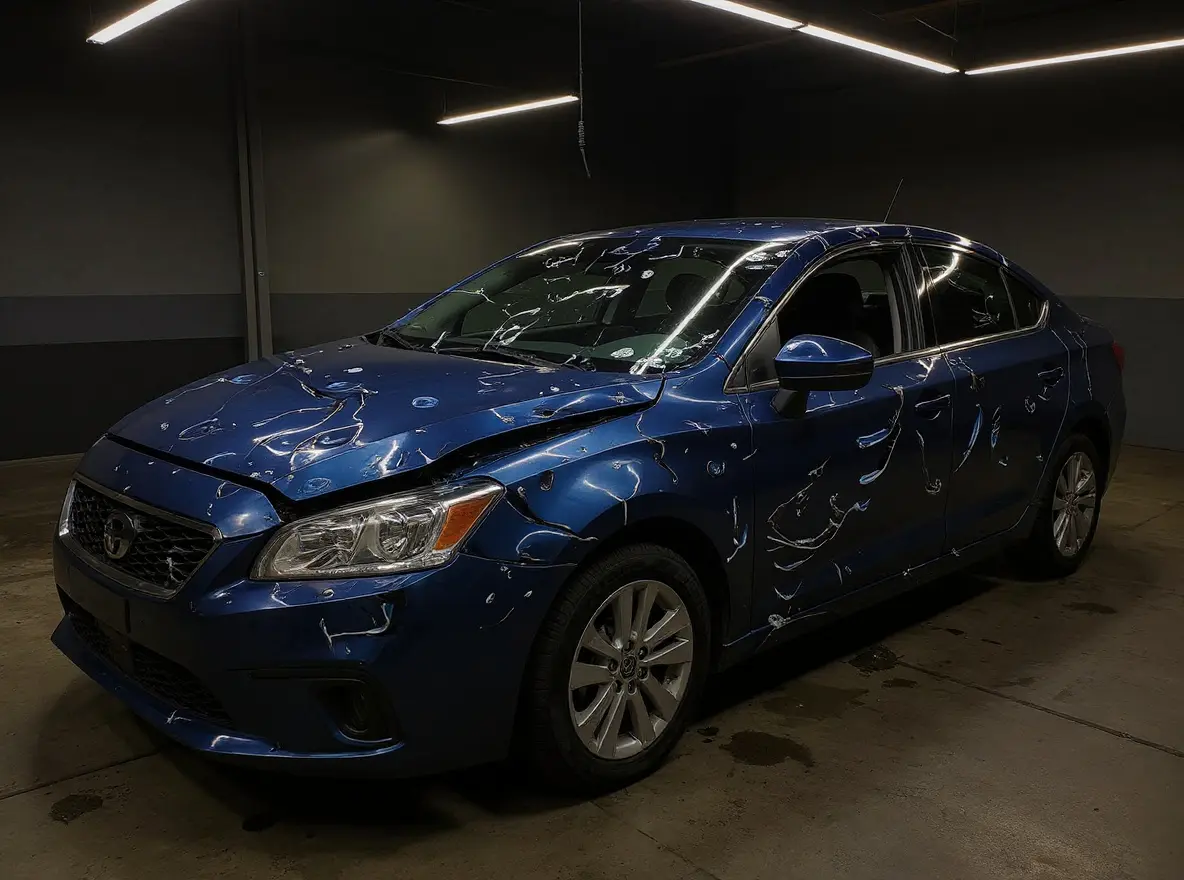
What actually makes hail damage a total loss?
A total loss is a math decision, not a judgment about how bad your car looks. The insurer compares the repair estimate against your vehicle’s actual cash value — what it was worth right before the storm. When the estimate climbs past a set percentage of that value, the carrier can declare the vehicle a total loss and pay you out instead of repairing it. The percentage is fixed by state law, so the same dents can land on either side of the line depending on where the car is titled and how the estimate was built.
Actual cash value is the number everything hinges on. Insurers build it from valuation tools and local comparable sales, then adjust for your mileage and condition. A higher actual cash value gives more room before the threshold is reached; a lower one means a smaller estimate tips the car into total-loss territory. That is why an older, lower-value car is more vulnerable to being written off for the same hail than a newer one.
How do the Kansas and Missouri thresholds compare?
The two states set the line at different percentages, and the gap matters. Kansas sets the total-loss line at 75% of a late-model vehicle’s fair market value — but the cosmetic-hail carve-out above sits in front of it. Missouri sets the total-loss line at 80% of a late-model vehicle’s fair market value — but the cosmetic-hail carve-out above sits in front of it. A Kansas-titled car can therefore reach total-loss territory on a smaller repair estimate than a Missouri-titled one carrying the same damage — the metro’s split market means the state line on your title is part of the calculation.
Kansas
Kansas: 75% of fair market value. Kansas sets the total-loss line at 75% of a late-model vehicle’s fair market value — but the cosmetic-hail carve-out above sits in front of it.
Statute: K.S.A. 8-197(b)(2)(B)
Missouri
Missouri: 80% of fair market value. Missouri sets the total-loss line at 80% of a late-model vehicle’s fair market value — but the cosmetic-hail carve-out above sits in front of it.
Statute: RSMo 301.010(55)(a)
Why does cosmetic hail damage often sit outside the calculation?
Both states treat purely cosmetic hail differently from structural damage. Kansas law leaves “merely exterior cosmetic damage… as a result of windstorm or hail” out of the salvage calculation, so a cosmetically hail-dented vehicle generally shouldn’t be branded a total loss on that basis alone. Missouri leaves hail damage out of the 80% repair-cost calculation that defines a salvage vehicle, so a cosmetically hail-dented car generally shouldn’t be branded a total loss on that basis alone. In plain terms, dents in sheet metal — the kind paintless dent repair is built to undo — generally should not, by themselves, brand a late-model car a total loss. That carve-out sits in front of the percentage threshold, which is exactly why a car that looks written off may not legally be one.
This is where a second estimate earns its keep. An adjuster working from body-shop assumptions can produce a number that crosses the threshold; the same dents read through a paintless dent repair lens often stay well under it, and the carve-out can keep them out of the salvage math entirely. Knowing the carve-out exists is what lets you ask the right question before you accept a payout.
Why do body-shop estimates total cars that paintless dent repair can save?
Adjusters default to body-shop cost assumptions, and those assumptions are expensive. On heavy hail, a body shop often plans to replace panels — hood, roof, doors — with parts, labor, and paint stacking up fast per panel. Across several panels, the estimate climbs quickly, and that is what pushes a vehicle past its threshold. The number reflects a repair method, not the only repair method.
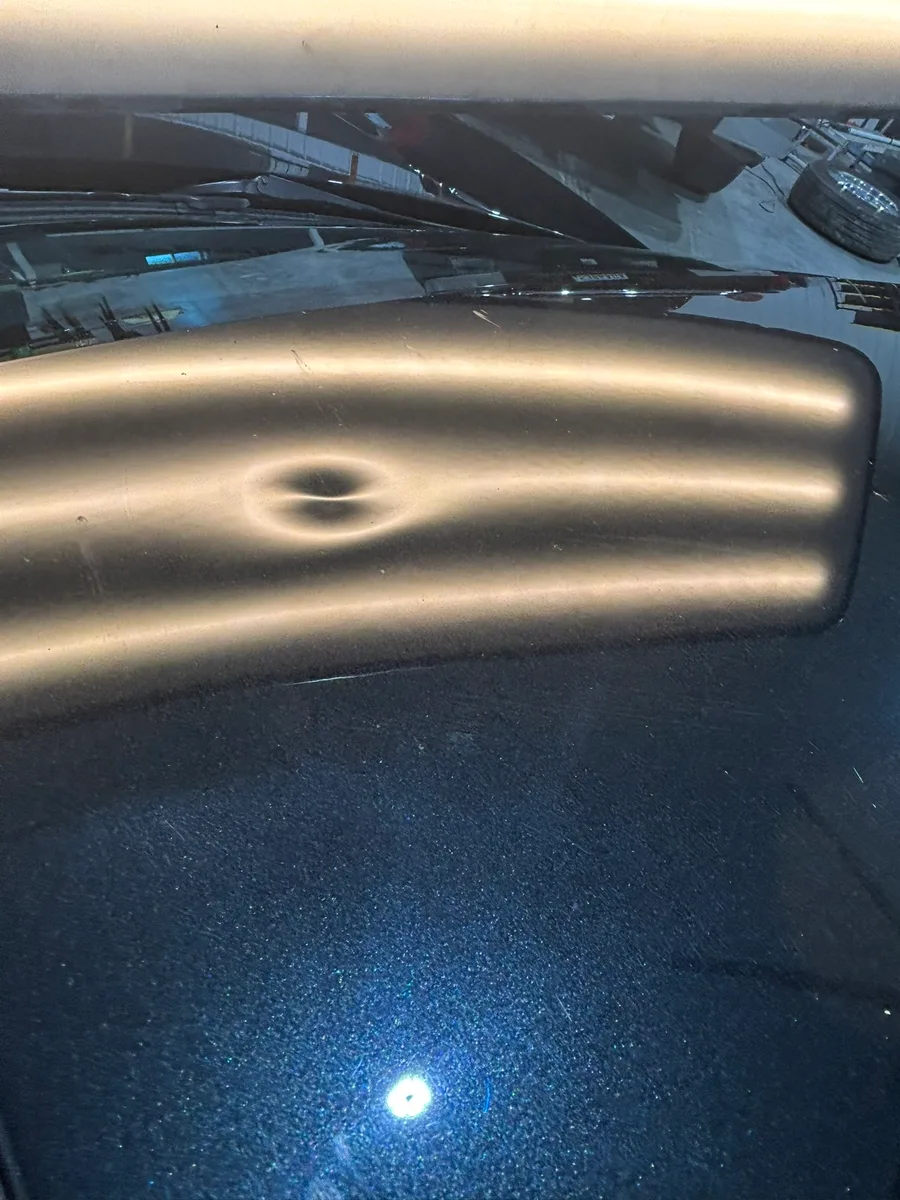
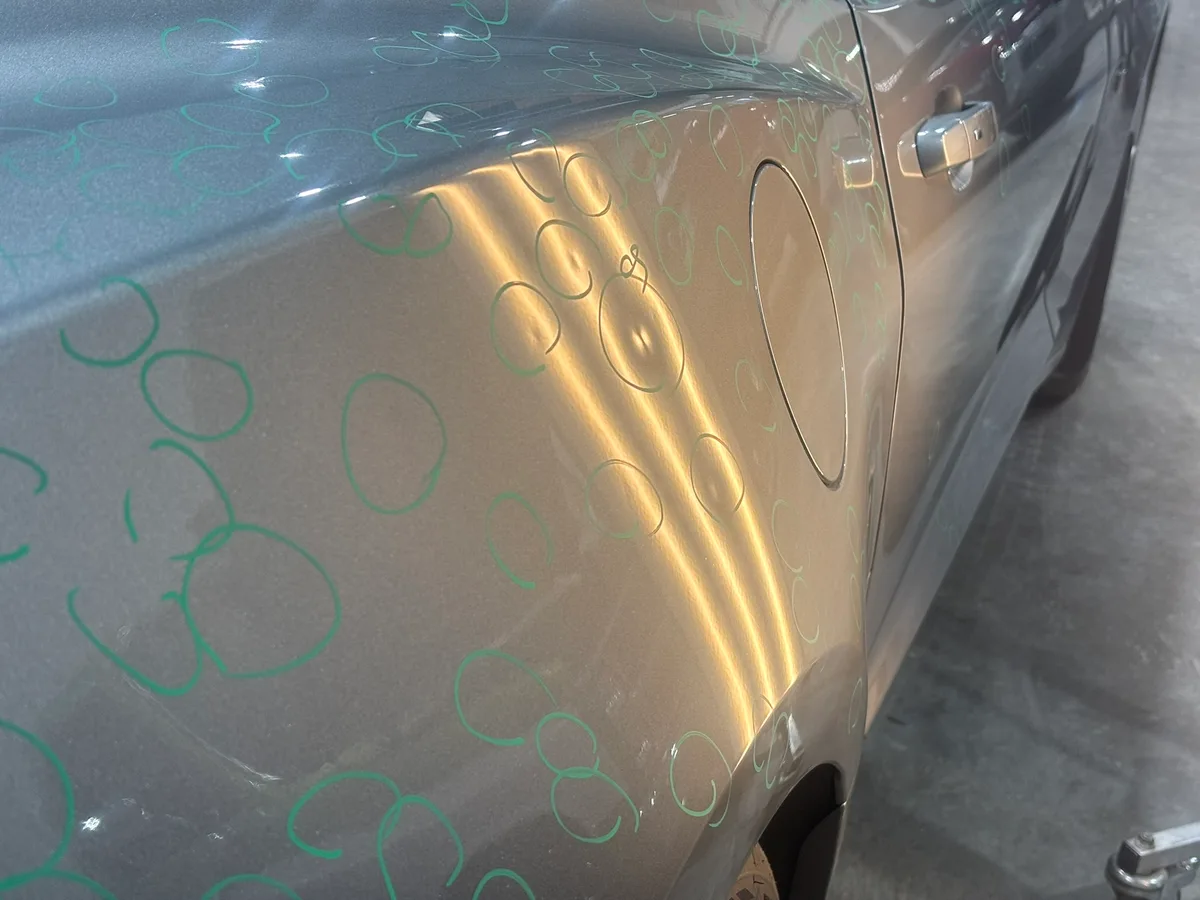
Paintless dent repair changes the arithmetic because it replaces nothing. We work the original panels and keep the factory paint, so a full restoration on a heavily dented car comes in materially lower than a panel-replacement estimate for the same storm. The same car an adjuster wrote off can be entirely savable — which is the whole reason to get the second estimate before the title leaves your hands. Our severe hail damage work is mostly cars that looked like write-offs.
How do you protect yourself before accepting a total loss?
Three steps cover almost every situation, and all three happen before you sign.
- Get the actual-cash-value breakdown in writingThe insurer should show how they valued your car — which comparables they used and which adjustments they applied. If the figure looks low, pull listings for your year, trim, and mileage and submit them with a written counter. The valuation is negotiable when your backup is solid.
- Get an independent paintless dent repair estimateBefore you accept any total-loss offer, have the car looked at by a paintless dent repair specialist. If that estimate comes in under the threshold — or the damage is the cosmetic kind the carve-out covers — you can take it back to your carrier. The inspection at our Olathe shop is free and quick. How that revised number reaches your insurer is covered in how supplements work.
- Remember the title is yours until you sign it overA total-loss offer is an offer, not a verdict. You are entitled to question the valuation, request a second estimate, and choose your own repair shop — your insurer can recommend one, but the choice is yours, as covered in your right to choose your shop. Signing the title over is the one step you cannot easily undo, so it should be the last one, not the first.
When is a total loss actually the right call?
Sometimes the insurer is right, and we will tell you so plainly. If the car is older with high mileage, the actual cash value is low, and the damage genuinely reaches into glass or structure, taking the payout can be the cleaner path to driving something else. We are not here to argue for a repair when cashing out serves you better — an honest second opinion sometimes confirms the total loss rather than overturning it.
What a second opinion buys you is certainty, not a fixed outcome. You walk away knowing whether the dents were cosmetic, whether a paintless dent repair estimate beats the threshold, and whether the valuation was fair — then you decide. Filing the claim that starts all of this is simpler than most people fear, and our free claim walkthrough shows you exactly what to say. You file the claim; once it is approved, we handle the repair.
Key takeaways
- A total loss is a math decision: the repair estimate compared against a set share of your vehicle's actual cash value.
- Kansas draws the line at 75% and Missouri at 80% of value — the state your title is in is part of the calculation.
- Cosmetic hail often sits outside the calculation entirely under both states' carve-outs.
- A paintless dent repair estimate replaces nothing, so it often lands well under a panel-replacement number for the same storm.
- Get the value breakdown and an independent estimate before you sign — the title is yours until you sign it over.
This page explains how total-loss rules generally work in Kansas and Missouri and is provided for general information — it is not legal advice. Statutes change and individual claims turn on their own facts. For guidance on your specific situation, consult a licensed attorney or your state insurance department.